


Achieving safety, regulatory compliance, and operational efficiency is crucial for success in the transportation and logistics industry. Drug and alcohol testing underpins all three of these priorities, serving as a foundational element of risk management and workforce safety. For directors and managers in this sector, implementing drug and alcohol testing needs to be comprehensive and not just a tick-box exercise. If ignored, consequences can be devastating with reputations ruined, contracts lost and operations brought to a standstill. Any change implementation also needs to be carefully planned, as it will create a ripple effect through an often complex landscape of operational, legal, and human resource challenges. Any changes must also be strategically managed to maintain the smooth flow of business operations.
TABLE OF CONTENTS

- Why Is Drug and Alcohol Testing Critical in Transport Operations?
- What Are The Main Drug and Alcohol Testing Operational Challenges for Operations Directors?
- How Do You Balance Safety with Operational Continuity?
- What Resource Management Concerns Should You Consider?
- How Do You Navigate Drug and Alcohol Testing In Employment and Safety Laws
- What Makes Drug and Alcohol Testing Non-Intrusive?
- How Do You Manage Union and Employee Relations?
- What Are the Key Health and Safety Director Considerations?
- How Do You Ensure Regulatory Compliance Across Multiple Jurisdictions?
- What Risk Management Strategies Work for Safety-Critical Operations?
- How Should You Handle Incident Response and Investigation?
- What Do UK Statistics Tell Us About Workplace Substance Abuse?
- What Are the Most Effective Drug and Alcohol Testing Implementation Strategies
- How Do You Achieve Staff Buy-In for Drug and Alcohol Testing Programs
- What Are the Financial Considerations and ROI?
- What Technology and Processes Deliver Best Results?
- What Are the Best Practices for Testing Implementation?
Why Is Drug and Alcohol Testing Critical in Transport Operations?
Pressures to improve performance are always present, whether it be tighter delivery windows, higher customer expectations, or reducing errors. These requirements can lead to managers facing administrative burdens, with the implementation of drug and alcohol testing feeling like another job added to the pile and a job that could have the potential to be extremely disruptive to operations.
Whilst these burdens can seem cumbersome, senior leaders, such as operations and HSE directors, should recognise the substantial business and reputational risks of serious incidents involving substance abuse. One single incident can destroy a company. Think about reputational damage, corporate manslaughter charges, license revocation, regulatory breaches, insurance premium increases, and financial losses tied to contract non-compliance. Recent statistics show that corporate manslaughter risks are not theoretical – companies can face unlimited fines under Health and Safety legislation, with case studies showing legal costs exceeding £1.8 million. The question isn’t whether to implement drug and alcohol testing, but how to implement it without compromising operational standards.
What Are the Main Drug and Alcohol Testing Operational Challenges for Operations Directors?
How Do You Balance Safety with Operational Continuity?
Disruption is the key concern on any operations director’s mind when considering drug and alcohol testing programmes. Ineffective implementation can lead to drivers being stood down for extended periods. This can then cause a ripple effect with scheduling complications and delivery network disruption. Resource needs to be allocated to driver cover and there can be cost implications for delays.
These challenges are often complex due to the unpredictability of schedules, multiple shifts, locations, time zones and long-haul routes. It is also not uncommon to use temporary staff to cover peak periods, and employ contractors to work alongside permanent employees. Many organisations experience seasonal workforce fluctuations during peak periods of sometimes in the hundreds of per cent, which significantly amplifies these challenges.
What Resource Management Concerns Do You Need to Consider?
From an operations perspective, how testing will be carried out is a key concern. Do dedicated testing facilities need to be set up? Will specialised personnel need to be brought in, and will this need significant management oversight? Will resources need to be diverted from core business functions? What are the direct and indirect costs to the business, and how will implementation impact KPIs and delivery metrics?
Operation directors need to consider the opportunity costs of testing because for every hour resource is allocated to testing, there is a potential hour that staff could have been allocated to their day-to-day roles. However in our experience, we have seen that organisations that have implemented in-house testing solutions that produce fast detection results, report significant reductions in employee standdown times compared to external provider models, making the process more cost-effective and maintain operational efficiency. Efficient testing protocols that require minimal disruption are crucial to the long-term success of the testing programme.

Graph 1 – Average Downtime Per Test
Bar chart showing the average downtime per drug and alcohol test in transport and logistics operations
What Can Make Drug and Alcohol Testing Non-Intrusive?
The implementation of drug and alcohol testing inevitably affects the employment relationship. Employees must not view testing as intrusive or punitive, as this can damage morale and trust. HR directors must be involved with the implementation process from the very start and ensure that policies are perceived as protective and not as a punishment.
Good quality testing solutions can collect saliva and sweat samples in under 60 seconds, with results available in just 2-5 minutes. This significantly contributes to providing a fast, clean, and non-intrusive process that maintains employee dignity.
To also provide reassurance to employees, positive test results must be managed within robust disciplinary procedures to avoid potential employment tribunal claims and employers must provide appropriate support pathways.
How Do You Manage Union and Employee Relations?
Most transport companies operate in unionised environments, and any policy changes require consultation and negotiation with unions. Trade union representatives may raise concerns about privacy, fair treatment, and the potential for discriminatory application of policies.
Successful implementation requires proactive engagement with employee representatives, transparent communication about policy rationale, and demonstration that testing procedures are fair, consistent, and legally defensible.
What Are the Key Health and Safety Director Considerations?
How Do You Ensure Regulatory Compliance Across Multiple Jurisdictions?
HSE directors need to ensure that the implementation of drug and alcohol policies does not conflict with the compliance requirements of multiple regulatory frameworks. Health and safety legislation, DVSA requirements, and industry-specific regulations all need to be carefully reviewed.
Another key challenge is the need to maintain compliance across multiple locations in and jurisdictions. England, Scotland, Wales, and Northern Ireland, each have subtle regulatory variations and companies may also operate internationally. Organisations operating across multiple sites some with numerous locations across the UK face particular challenges in ensuring consistent implementation and maintaining standardised protocols across geographically dispersed operations.
What Risk Management Strategies Work for Safety-Critical Operations?
HSE directors in the transport industry also have to manage multiple safety-critical factors. The implementation of any policy must be extremely robust to ensure that risks that have severe consequences for public safety, employee wellbeing, and business continuity are thoroughly addressed. They must be able to manage this risk adversity whilst also ensuring smooth for day-to-day operations.
The scale of this risk can be significant. For managers overseeing fleet operations, impaired-driver incidents can affect not just the bottom line but also the company’s Operator’s License, public safety, and national reputation.
Comprehensive risk assessment frameworks must be developed that account for different types of impairment, various roles (drivers, warehouse staff, administration), and changing patterns of substance use. For HR and HSE directors, this means regular review and update of company policy to ensure compliance with industry standards and national regulations.
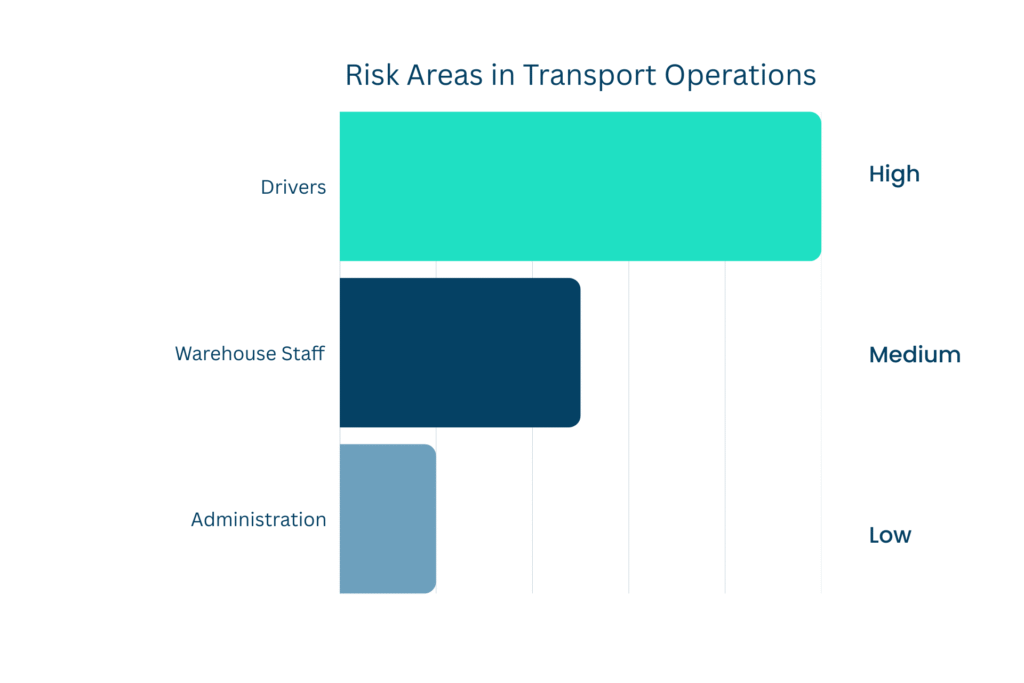
Graph 2 – Risk Areas in Transport Operations
Chart showing key risk areas in transport and logistics operations related to drug and alcohol testing compliance
How Should You Handle Incident Response and Investigation?
When incidents occur, HSE directors need robust procedures for investigation and response. This includes not just immediate testing procedures, but also comprehensive documentation, proper chain of custody protocols, and legally defensible confirmation processes.
The complexity increases when considering that incidents may occur at remote locations, outside normal working hours, or involving multiple parties such as contractors and third-party drivers. Having effective procedures that can be applied consistently across all scenarios requires careful planning and preparation.
What Are the Most Effective Drug and Alcohol Testing Implementation Strategies
How Do You Create Streamlined Testing Approaches that Reduce Workflow Disruptions?
Testing solutions should minimise operational disruption. The most effective programmes won’t create additional disruptions to core activities and will integrate testing into natural operational pauses such as shift changes and scheduled breaks.
Advanced testing kits can provide results within 3-5 minutes and utilise the most accurate screening technology with the lowest cut-off levels. Testing conducted at convenient locations rather than dedicated facilities minimises workflow disruption.
What Flexible Training and Support Systems Work Best?
Training programmes need to be flexible and accommodate different shift patterns, multiple locations, and varying levels of technical expertise among staff. Fully scalable training solutions should include face-to-face delivery, virtual digital classrooms, and exclusive online training portals. A training solution with this spectrum of education covers both drug and alcohol awareness courses and specific product training, allowing organisations to build internal capability across diverse operational requirements.
Virtual training options, online resources, and scalable distance learning solutions allow organisations to build internal capability without extensive travel or schedule disruption. The ability to train multiple screeners across different shifts and locations ensures consistent application of policies while maintaining operational flexibility.
What Comprehensive Detection Capabilities Should You Look For?
Residual effects of substance abuse can impair driver performance for extended periods. Meaning that its not just current impairment that is a risk, residual effects from previous use can affect safety-critical decision-making.
Advanced testing kits that combine multiple sample types such and sweat and saliva can provide broader detection windows, identifying both recent use and longer-term consumption patterns. This comprehensive approach offers better protection against the various ways substance users can impact operations.
How Do You Achieve Staff Buy-In for Drug and Alcohol Testing Programs
Why Is Education and Communication Essential?
HR directors and compliance officers should focus on accessible educational resources for both employee wellbeing and adherence to company policy. Educational resources should address common concerns about testing procedures, employee rights, and legal consequences, while clearly communicating support and Employee Assistance Programs (EAPs) for those affected.
How Do Employee Consultation and Engagement Processes Work?
Effective implementation involves comprehensive consultation periods that allow employees and their representatives to raise concerns, seek clarification, and contribute to policy development. These periods serve multiple purposes: ensuring legal compliance with consultation requirements, identifying practical implementation issues, and building organisational buy-in for the final policy.
The consultation process should include clear communication about the business rationale for testing, the specific procedures to be followed, and the support available for employees. This transparent approach helps address concerns proactively rather than reactively.
How Do You Create a Culture of Safety?
The most successful drug and alcohol policies become integrated into broader safety cultures rather than standing as isolated compliance requirements. This integration requires consistent messaging from leadership, regular reinforcement through training and communication, and demonstration that policies apply fairly across all levels of the organisation.
Building a supportive culture involves recognising substance misuse as a health issue that requires support rather than automatically becoming a disciplinary matter. Organisations that balance enforcement with appropriate support pathways often achieve better long-term outcomes in terms of both compliance and employee relations.
What Are the Financial Considerations and ROI?
How Do You Understand True Costs?
Directors evaluating drug and alcohol testing programmes will consider the direct costs and broader financial implications. Obvious direct costs include equipment, training, administration, and confirmation testing but the broader impact includes the potential savings from reduced incidents, lower insurance premiums, improved customer confidence, and enhanced operational efficiency.
What Operational Efficiency Benefits Can You Expect?
Well-designed testing programmes can actually enhance operational efficiency rather than detract from it. Random workplace drug testing serves as an effective deterrent by creating a consistent threat of detection, establishing clear consequences for violations, and fostering a culture of safety and compliance. This deterrent effect can significantly reduce the incidence of workplace substance abuse before it becomes a costly operational issue.
Additionally, comprehensive programmes often improve recruitment processes by identifying unsuitable candidates before they join the organisation, reducing the costs associated with poor hiring decisions and subsequent disciplinary procedures.
What Technology and Processes Deliver Best Results?
What Rapid Testing Technologies Should You Consider?
Any testing solution that is implemented should be designed to address concerns about operational disruption. Screening products should be highly accurate, and the testing process should be completed in minutes rather than hours. It should also eliminate the need for dedicated testing facilities or complex equipment. Having this type of equipment enables testing to occur at convenient locations without significant workflow disruption.
Learn more about the DrugWipe Dual testing solution that delivers results in minutes with industry-leading accuracy.
How Do Integrated Support and Comprehensive Policies Work?
Effective testing programs need to encompass effective support systems and policies. This includes policy development assistance, training programs, ongoing consultation, and 24-hour support for difficult situations that may arise.
Systems and processes that include robust documentation capabilities, trend analysis, and management reporting help companies demonstrate compliance while identifying areas for operational improvement.
What Are the Best Practices for Testing Implementation?
Why Do Phased Implementation Approaches Work?
Successful companies often adopt phased implementation approaches that allow the gradual introduction of testing. This approach builds confidence and enables the company to develop competencies within the testing process. An example could be to begin with pre-employment testing and for-cause testing before expanding to include random testing.
Phased approaches allow organisations to learn from early experiences, refine procedures, and build internal capability before full implementation. This reduces the risk of operational disruption while ensuring thorough preparation for comprehensive testing programs.
See how Stephen Sanderson Transport successfully implemented their drug and alcohol testing programme using a phased approach that began with random and with-cause testing before expanding to pre-employment screening. Their three-month consultation process demonstrates how gradual implementation can achieve staff buy-in and operational success.