

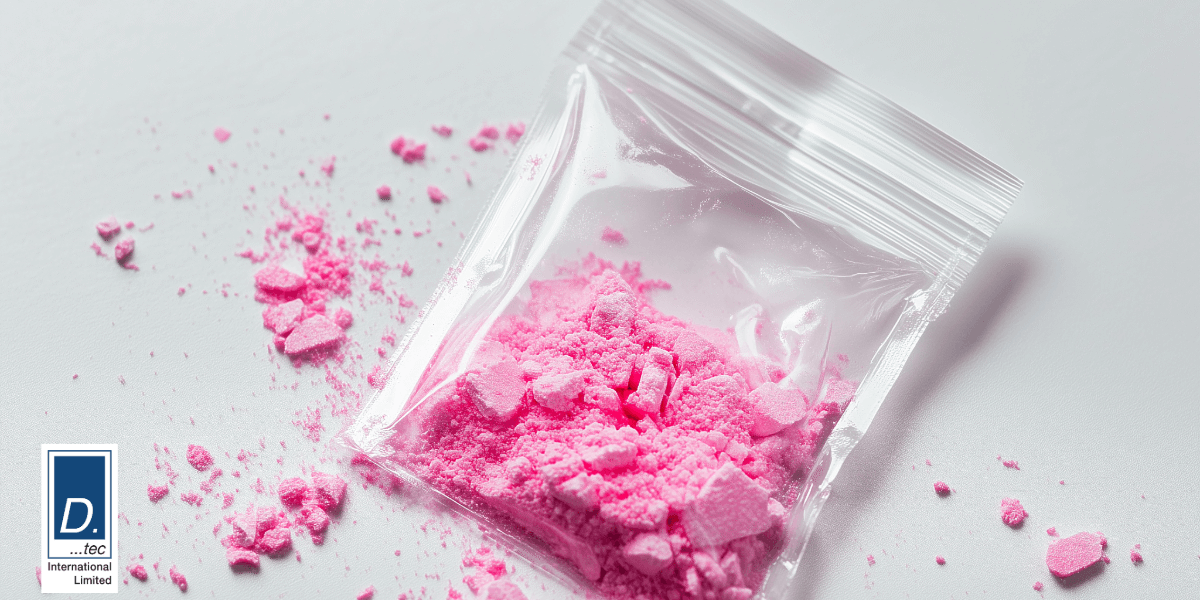
In recent years, a new drug has been making waves in the party scene, capturing attention with its intriguing name and vibrant color. Known as “Pink Cocaine,” this substance is far more complex and potentially dangerous than its name might suggest.
Let’s delve into what Pink Cocaine really is and why it’s causing concern among health professionals and police alike.
What is Pink Cocaine?
Contrary to what its name implies, Pink Cocaine isn’t actually cocaine at all. It’s a misleading term for a concoction of various substances, much like how a rum cocktail can contain different ingredients. Pink Cocaine can include a wide range of drugs, such as:
- Ketamine
- MDMA (Ecstasy)
- Methamphetamine
- Benzodiazepines
- Caffeine
Interestingly, it may or may not contain actual cocaine or crack cocaine. The composition can vary greatly, making each batch potentially unique and unpredictable.
Consumption Methods
Pink Cocaine is typically consumed in two forms:
- As a powder (most common form)
- As a pill
Effects and Risks
What sets Pink Cocaine apart from traditional cocaine is its range of effects. While cocaine is purely a stimulant, Pink Cocaine offers a more complex experience:
- Stimulant effects similar to cocaine or methamphetamine
- Hallucinogenic properties, which are not present in regular cocaine
- Potential for euphoric experiences
- Altered sensory perception
- Mood swings including severe agitation
- Seizures
- High blood pressure and rapid heart rate
Users report a unique combination of euphoria and psychedelic experiences, making it distinct from other stimulants like methamphetamine or synthetic drugs like ecstasy (MDMA).
The Dangers of Pink Cocaine and the Risks to the Workplace
The unpredictable nature of Pink Cocaine’s composition makes it particularly dangerous:
- Variable potency: The strength can differ significantly between batches.
- Unknown interactions: The mix of substances can lead to unexpected and potentially harmful drug interactions.
- Risk of overdose: Users may unknowingly consume a much stronger or different drug than intended or used too.
- Mental health risks: The combination of stimulants and hallucinogens can exacerbate or trigger mental health issues.
- Users may experience strange thoughts or confusion, restricting their ability to make imperative decisions correctly or quickly.
- Most importantly, users will be unable to function safely whilst carrying out their role, more specifically whilst driving or operating heavy machinery – more likely to lead to a serious accident.
Conclusion
Pink Cocaine represents a troubling trend in the world of recreational drugs. Its appealing name and colour mask a potentially dangerous cocktail of substances. As with any illicit drug, the risks far outweigh any perceived benefits. It’s crucial for both individuals and employers to be aware of the true nature of Pink Cocaine and the significant dangers it poses to both physical and mental health. It is also an additional risk alongside the current Cocaine and Cannabis consumption in the workplace and on our roads.
If one of your employees is struggling with drug use, please seek help from a healthcare professional or a certified addiction specialist. Remember, health and safety should always come first.